Premium Georgian Wines Worth Pouring Tonight. A chilled bottle of Saperavi can change the direction of dinner fast. Its dark fruit, firm structure, and earthy edge stand up to grilled meat, spicy khinkali, and a table full of conversation. That is the appeal of premium Georgian wines: they are not simply local bottles with a nice label. They offer a sense of place, distinctive native grapes, and styles that make an ordinary evening feel chosen rather than improvised.
For a host in Tbilisi, that matters. The right wine should arrive ready for the occasion, whether you are opening one bottle after work, putting together a gift, or setting the table for friends. Georgian wine has the range to do all three - but choosing well means looking beyond red versus white.
What Makes Premium Georgian Wines Different?
Georgia’s winemaking history is often discussed in terms of age, but heritage alone does not make a bottle premium. Quality begins in the vineyard: carefully managed yields, healthy fruit, well-sited vines, and a producer willing to make less wine in pursuit of better concentration and balance. It continues in the cellar, where the winemaker decides how much texture, oak, skin contact, and bottle aging the wine needs.
The country’s native varieties are the biggest reason the category feels so fresh. Saperavi can be deeply colored and powerful, yet great examples retain acidity and freshness. Rkatsiteli can be bright and citrus-driven when made conventionally, or savory, tannic, and amber-toned after extended skin contact. Mtsvane often brings floral lift and stone-fruit character, while Kisi can offer honeyed depth without losing energy.
Then there is qvevri. These large clay vessels are buried underground and used for fermentation and aging, often with skins, stems, or both. Qvevri wines can taste textured, dry, herbal, and gently oxidative, with a grip that surprises people expecting a soft white. They are a signature of Georgian wine, but they are not automatically better than stainless-steel or oak-aged styles. A polished qvevri bottle and a clean, modern Saperavi can both be premium. The better choice depends on what is on the table and who is drinking it.
Choose a Style for the Occasion
A premium bottle earns its place when its style matches the moment. For a relaxed weeknight meal, look for a fresh dry white or a medium-bodied red with enough acidity to stay easy to drink. For a serious dinner, a structured Saperavi or layered amber wine brings more presence. For gifting, a recognizable producer, elegant packaging, and a versatile style can matter as much as technical details.
For grilled meats and rich Georgian dishes
Saperavi is the confident choice. Expect blackberry, plum, black cherry, spice, and sometimes notes of cocoa, smoke, or leather. Its natural color and tannin give it weight, so it works especially well with mtsvadi, lamb, steak, burgers, roasted vegetables, and aged cheeses. If the meal is spicy or heavily seasoned, avoid serving it too warm. Around 60-65°F keeps the fruit clear and the finish controlled.
Not every Saperavi needs years in a cellar. Younger, fruit-forward examples are excellent for a dinner party, while barrel-aged or reserve releases make more sense for steak night, a celebration, or a wine-focused gift. The trade-off is simple: more oak and extraction can add depth, but it can also make a wine feel less immediately approachable.
For fish, salads, and lighter tables
Dry Rkatsiteli and Mtsvane are smart choices when red wine would overpower the food. Rkatsiteli can bring crisp apple, citrus peel, quince, and mineral notes. Mtsvane tends toward peach, pear, herbs, and white flowers. Both work beautifully with grilled fish, chicken, fresh salads, soft cheeses, and lighter Georgian dishes.
Serve these whites cold, but not ice-cold. About 45-50°F lets the aroma show up without making the wine feel flat. If the bottle has more texture or has spent time in oak, give it five minutes in the glass before pouring the second round.
For curious drinkers and food-led evenings
Amber wine is where premium Georgian wines become a conversation starter. Made from white grapes fermented with skins, these wines can range from golden to deep orange. They often show dried apricot, tea, nuts, orange peel, herbs, and a subtle tannic bite.
Amber wines are especially good with food because their texture bridges the gap between white and red. Try one with roasted chicken, mushrooms, charcuterie, walnuts, hard cheese, khachapuri, or richly spiced dishes. They are not always the safest choice for someone who only drinks light, fruity white wine, so consider the recipient or group before making it the only bottle on the table. For a mixed crowd, pair one amber wine with a familiar dry white or a polished red.
Read the Bottle Like a Buyer, Not a Tourist
Price can signal care, but it does not replace a few practical checks. Start with the grape variety and producer. A bottle that clearly names its variety, region, and winery usually gives you a better idea of what you are getting than vague “Georgian red” or “traditional wine” wording.
Pay attention to the region as well. Kakheti is the country’s best-known wine area and a natural place to look for Saperavi, Rkatsiteli, Kisi, and qvevri wines. Other regions can be worth seeking out when you want a different expression, often with lighter body, higher acidity, or a more delicate profile.
The winemaking note is useful, too. Terms such as qvevri, skin contact, barrel-aged, reserve, dry, and unfiltered tell you something about the likely experience. Unfiltered is not a quality guarantee, and sediment is not necessarily a flaw. Still, a premium wine should feel intentional and balanced, not merely unusual.
For gifts, choose with the recipient in mind. A bold Saperavi is an easy win for a red-wine fan. A dry Rkatsiteli is a polished, flexible option for dinner hosts. An amber wine makes a memorable gift for someone who enjoys trying new styles. Add a thoughtful presentation, and the bottle becomes occasion-ready without needing a complicated explanation.
Serving Details That Protect the Bottle
Premium wine does not need ceremony, but a few details prevent disappointment. Store bottles away from direct light and heat. Chill whites and amber wines in advance. Open a structured red 20-30 minutes before dinner if it seems tight, especially a young reserve-style Saperavi.
Use a proper wine glass when possible, but do not hold a celebration hostage to glassware. What matters more is temperature, food, and pace. Pour a small first glass, let the wine open, then decide whether it needs more air. A bottle that feels reserved at the first sip can become much more expressive after ten minutes.
If you are ordering for guests, calculate realistically. One 750 ml bottle provides about five regular pours, but a dinner where wine is central may need more than one bottle for every two people. Add variety instead of buying several bottles of the same style: one crisp white, one amber wine, and one red gives the table options and keeps food pairing easy.
Build a Better Wine Night in Tbilisi
The best premium bottle is not always the most expensive one. It is the bottle that suits the food, the people, and the reason you are opening it. A refined dry white can make a Tuesday dinner feel sharper. A serious Saperavi can carry a birthday table. A qvevri amber wine can give visiting friends a true taste of Georgia without turning the evening into a lecture.
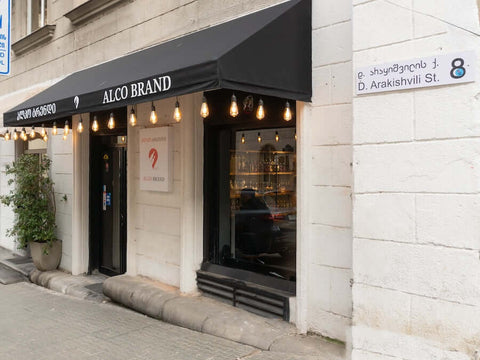
Alcozon makes that choice easier when time is short, with premium wine options alongside gift-ready picks and delivery for the plans that come together quickly. Choose a style with purpose, serve it at the right temperature, and leave enough room at the table for the bottle to tell its own story.